


Explore our MG electric and hybrid models
Whether you’re looking for the MGS5, an MG SUV, or any other EV or hybrid model, at Waylands we make sure to provide our customers with a versatile variety.
Hybrid and Electric Cars at Waylands MG Oxford
MG Electric and Hybrid Cars
The versatility and class of an MG is rolled into a sustainable and cost-effective way to drive, with an exciting range of electric and hybrid models from this tried-and-tested manufacturer.
Whether you’re looking to take advantage of space with the family-friendly MG4 EV, or are after more of an estate feel with the MG5 EV Long Range, there’s something for anyone looking to strike a balance between efficiency and performance.
MG EVs blend the timeless reliability of this iconic brand with modern, technologically-driven innovation.
Which MG cars are electric?
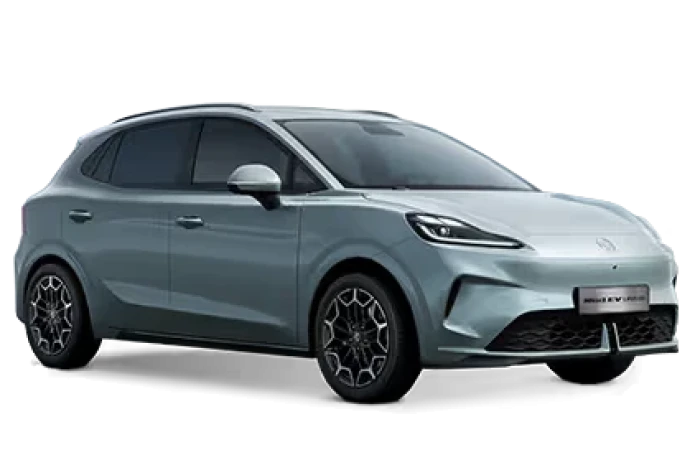
MG4 EV Urban
The MG4 EV Urban makes electric driving more practical than ever, combining modern, contemporary styling with impressive efficiency and everyday usability. With an impressive electric range, a sleek digital cockpit featuring a 12.8" touchscreen, Apple CarPlay™, Android Auto™ and reversing camera. Designed with practicality in mind, the MG4 EV Urban offers a spacious interior thanks to its innovative battery platform, along with a versatile boot and plenty of clever storage solutions. To complete the package, MG Pilot Custom driver assistance technologies provide added confidence, safety and comfort on every journey.
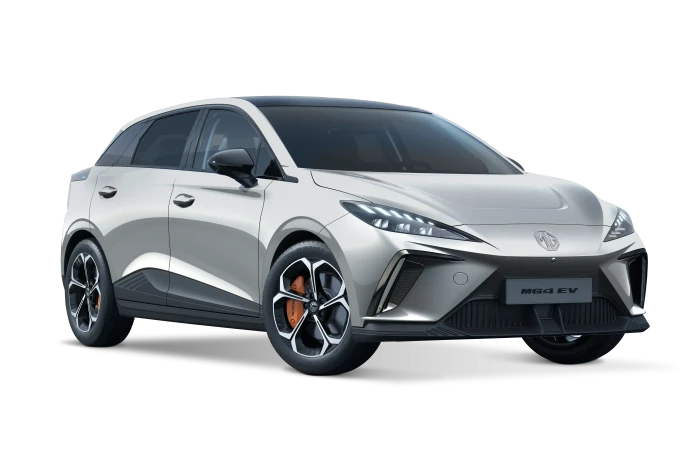
MG4 EV
The MG4 EV is a bold step into affordable electric driving, offering sculpted modern design, impressive real-world range of up to 323 miles, and a fully digital, tech-rich cabin featuring a 10.25″ touchscreen, Apple CarPlay/Android Auto and the iSMART app. It pairs that with standout practicality – a generous boot, clever storage, and the efficiency of a thin-battery platform delivering a spacious interior. On top of that, the suite of MG Pilot driver assistance systems means safety and comfort aren’t an afterthought.
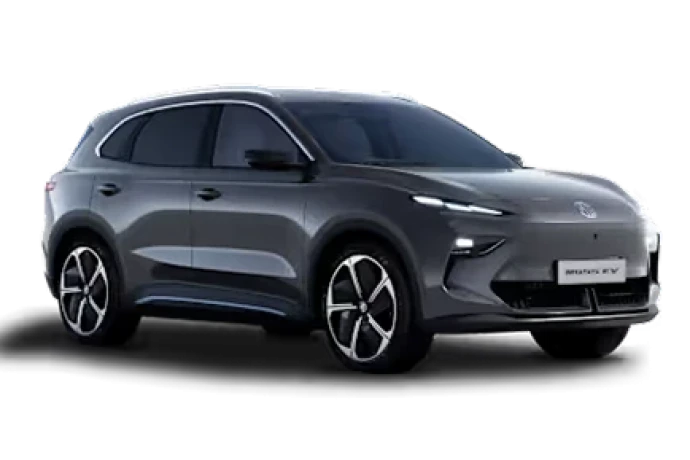
MGS5 EV
The MGS5 EV is a stylish and versatile electric SUV that delivers up to 298 miles of WLTP range, rapid charging (10-80% in about 28 minutes) and a punchy 0-62 mph time of 6.3 seconds in its Long-Range guise. Built on MG’s dedicated EV platform, it features a spacious cabin with up to 1,441 litres of boot space, a crisp 12.8″ infotainment screen, wireless Apple CarPlay/Android Auto and a suite of advanced driver-assistance systems. With high spec comfort, solid performance and no compromise practicality, the MG S5 EV hits the sweet spot for families and tech-savvy drivers alike.
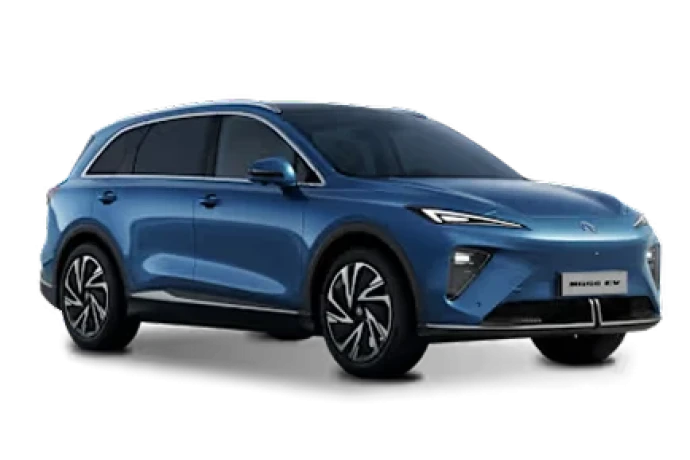
MGS6 EV
The MGS6 EV is a mid-size SUV built for comfort and a calm, intelligent driving experience. Think heated seats, ambient lighting, and a spacious boot that can hold 674 litres of luggage. Charging is quick and convenient, with the ability to go from 10% to 80% in just 38 minutes using a 150kW ultra-fast charger, and the ultra-thin battery delivers a range of up to 329 miles.
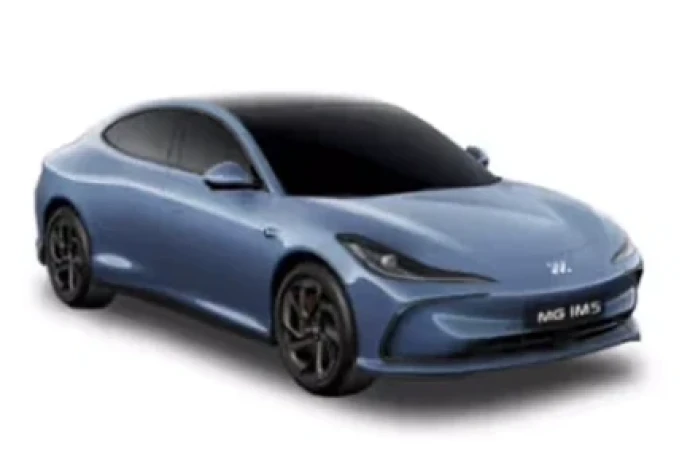
MG IM5
The MG IM5 is an electric saloon with an aerodynamic design. The luxurious cabin has plenty of technology right at your fingertips, including the One-Touch iAD system for automated precision driving and a 26.3” touchscreen. A generous 457-litre boot is perfect for daily and long-distance needs alike.
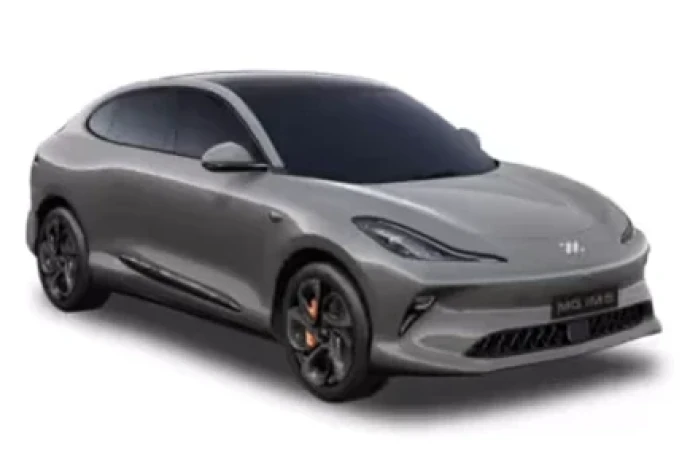
MG IM6
The MG IM6 is an electric SUV powered by a 100kWh battery and dual-motor Hurricane Motor system, accelerating from 0 to 62mph in just 3.5 seconds. Balancing comfort, performance and cutting-edge technology, it achieves 10-80% in just 17 minutes with rapid charging and has a range of up to 388 miles.
Which MG cars are hybrid?
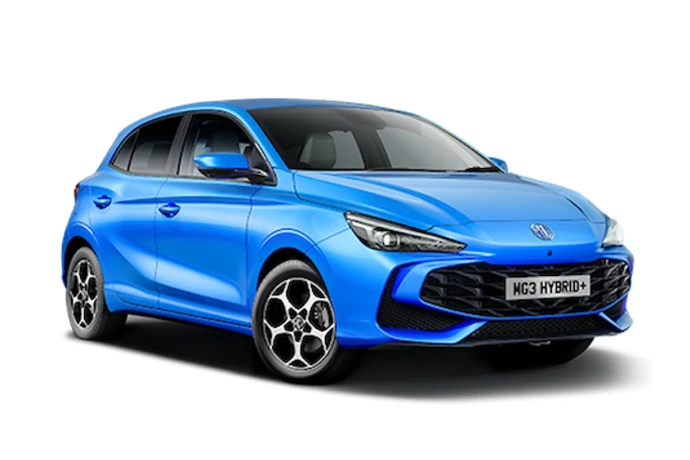
MG3 Hybrid+
The MG 3 Hybrid+ is a hatchback that’s just as suited to city adventures as it is to weekend getaways. With a dynamic design and practical features, it offers a spacious interior, comfortably seating five passengers, plus up to 983 litres of storage space with the rear seats folded. There are two trims: the SE and the Trophy.
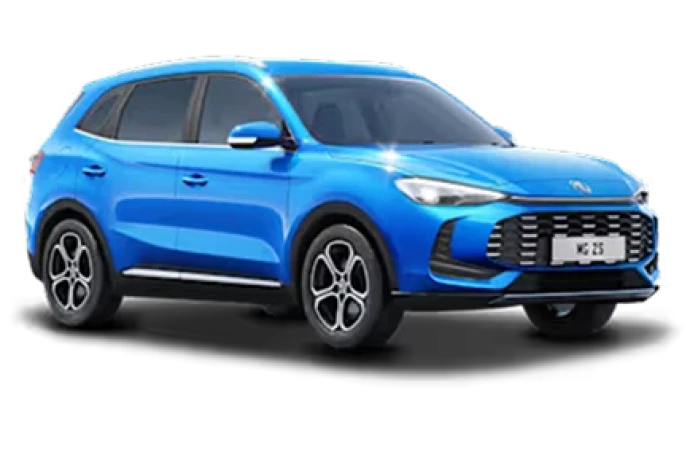
MG ZS Hybrid+
The MG ZS Hybrid+ is a surprisingly zippy, tech-rich compact SUV that blends a 1.5-litre petrol engine with an electric motor for a combined output of around 196 PS – delivering 0-62 mph in about 8.7 seconds. It offers modern features like a 12.3″ infotainment screen, smartphone integration, and the full MG Pilot driver-assist suite as standard. With seating for five, family-friendly practicality and a starting price from around £22,745, the ZS Hybrid+ presents real hybrid value without cutting corners.
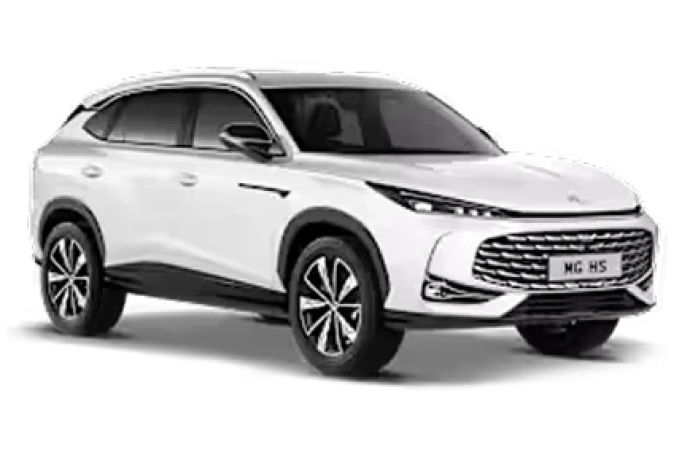
MG HS Hybrid+
The MG HS Hybrid+ is a smart-sized SUV that blends family-friendly space with hybrid efficiency. Sporting a refined 1.5L turbo engine paired with electric assistance, it delivers smooth power and strong economy (around 5.2 L/100 km claimed) while maintaining a practical 507 litre boot (expanding to 1,484 litres) and a roomy cabin. Inside you’ll find modern tech throughout – including dual 12.3″ displays, wireless phone charging, and the full suite of MG Pilot driver assistance systems – making it a compelling choice for day-to-day versatility without compromise.
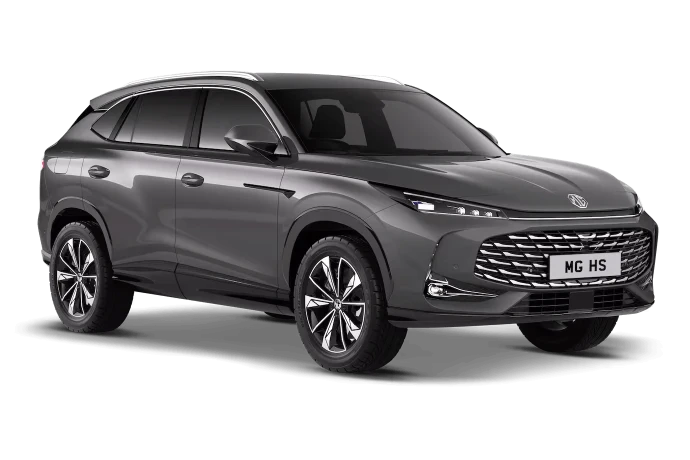
MG HS Plug-in Hybrid
The MG HS Plug-in Hybrid is a modern SUV that brings together stylish design, impressive electric-only capability (up to 75 miles on a full charge), and strong combined performance (0-62 mph in around 6.8 seconds). It uses a 1.5-litre turbo petrol engine paired with electric power for a quiet, efficient and brisk drive. Inside, you’ll find twin 12.3″ screens, wireless phone charging (on higher trims), and the full MG Pilot suite of driver-assistance tech. Backed by a generous 7-year/80,000-mile warranty, it’s a compelling choice for families seeking plug-in-hybrid flexibility without premium pricing.
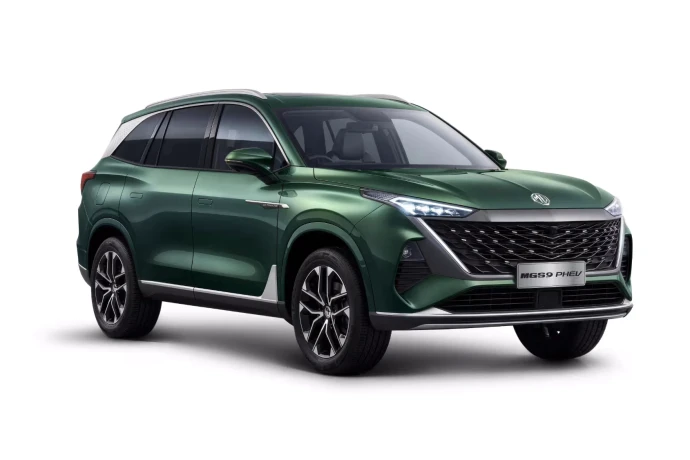
MGS9 Plug-in Hybrid
The MGS9 Plug-in Hybrid is a versatile seven-seat SUV that’s designed to handle everything from the school run to long family adventures. Combining sophisticated styling with plug-in hybrid efficiency, it offers a spacious and intuitive interior with room for up to seven passengers, alongside the practicality and flexibility modern families demand. Available in a choice of well-equipped trims, the MGS9 delivers comfort, technology and confidence for every journey.
Our partnerships and offers
Part of our commitment to a cleaner and more environmentally friendly road is the partnership we’ve formed with Ohme. At Waylands, we understand that it’s not just your responsibility to think more ethically about your carbon usage. It’s ours too. That’s why we’re proud to offer these green initiatives and offers to make owning and maintaining an electric vehicle more affordable.
Ohme
If you’re thinking about bundling your home charger in a way that makes it more affordable, you can roll the cost of any Ohme charging unit into your finance balance. This device allows you to charge via the mobile app or LCD screen, schedule charging, and set maximum price caps. It’s home charging, made easy and convenient.
Is an electric or hybrid MG right for me? – Understanding the benefits
Electric cars are still in their infancy – at least when you compare them to petrol and diesel models. If you’re thinking of making the switch for the first time, it’s important to understand more about the benefits you’ll experience as part of a move away from traditional engines.
Keep these EV perks in mind if you’re unsure about making the leap from carbon to cables:
Electric and hybrid car grants
Because most electric vehicles are purchased from new and include new technologies, they often appear more expensive in comparison to similar petrol or diesel models. To help promote the uptake of electric vehicles and offset this cost, the Government introduced an electric car grant, also known as the Plug-in Car Grant.
The electric car grant is available on a range of electric vehicles including cars, vans, motorcycles, mopeds, taxis and some large trucks. The maximum value of the grant is £1,500 for Category 1 vehicles. MG ZS EV qualifies for the Plug-in Car Grant and all paperwork and associated actions can be handled by your local MG dealership. To qualify for the electric car grant, the electric vehicle you purchase must have emissions of less than 50g/km and a zero emissions range of more than 70 miles.
The OZEV grant can help make switching to an electric vehicle even easier by reducing the cost of installing a home charging point. Available to eligible households, the scheme helps cover part of the installation cost, making home charging more affordable and convenient. With a dedicated charge point at home, you can keep your electrified MG charged up overnight and enjoy one of the simplest and most cost-effective ways to charge.
The London ULEZ
The ULEZ (Ultra Low Emissions Zone) is a traffic pollution charge scheme whereby vehicles that emit a certain amount of pollution are charged for driving in a restricted area. The aim of the scheme is to reduce exhaust gas emissions in Central London. Polluting vehicles account for around half of London’s harmful air emissions, and air pollution costs the capital up to £3.7 billion every year.
Launched in April 2019 and operating alongside the congestion charge, ULEZ is helping to encourage the public to adopt cleaner transport habits such as driving electric vehicles and in turn, reduce air pollution. ULEZ operates 24 hours a day, seven days a week, 364 days a year (except Christmas Day) in the central London congestion charging zone. Motorists who drive in the zone in a vehicle that does not meet the new emission standard (petrol vehicles that do not meet Euro 4 standards and diesel vehicles that do not meet Euro 6) have to pay a daily charge.
Electric cars, including MG ZS EV, do not emit any CO2 or other harmful gasses from their exhaust pipe, as they are powered by battery rather than petrol or diesel, and therefore are not subject to any charges in the emissions zone. From October 2021, ULEZ expanded to the North and South Circular Roads. All cars within the expanded zone need to meet ULEZ emissions standards or pay a daily charge.
What’s more, a number of other clean air zones are now being introduced all across the country. That means vehicles who travel in these zones will also be subject to potential fees. Drivers in these parts of the country are now turning to electric as a way to avoid being slapped with regular fines.
Environmental benefits
Electric cars produce zero exhaust emissions, which means they do not emit any harmful exhaust gases into the air. This can benefit the environment as exhaust gases can contribute negatively to a number of health conditions and also impacts on climate change. Aside from the obvious benefit of no emissions, electric cars are also more energy efficient than regular vehicles, which means they use their energy in a more productive way and require less energy to get you to your destination.
Performance factors
Many assume that the power of an electric vehicle is less than that of a petrol or diesel model, but in many cases this is untrue. Often, electric vehicles perform better than combustion engines in terms of power, torque and acceleration. They can also be found to handle better, as electric vehicles have a lower centre of gravity due to the heavy batteries mounted in the chassis. Electric cars are also designed to be as efficient as possible, with less moving parts to the vehicle. There are generally three main components; the on-board charger, inverter and motor. This means there is reduced wear and tear and less stress on the motor, with fewer parts susceptible to damage.
Lower running costs
At its core, EV technology exists to make vehicle performance more efficient across the board. That extends to the costs associated with driving. The amount you spend to charge a vehicle with electricity is thought to be anywhere from two or even three times as cheap as a traditional combustion engine.
Research has shown that in 2025, the average cost per mile to charge a vehicle was just 7p. By contrast, petrol cars were found to cost anywhere from 12p on the lower end to 21p for less fuel-efficient models.
Ease of charging
The increasing adoption rate of EVs has also meant that charging is now easier than ever before. There are now thought to be as many as 86,000 charging devices spread across more than 43,500 locations in the UK. If you’re fortunate enough to find a point with rapid charge technology, 80% of the total battery is full within less than an hour of starting the charge.
As well as this, the process of charging itself has been streamlined and made more efficient as these kinds of vehicles have become more popular. Most drivers now need to follow these very simple steps to achieve a safe and efficient charge:
Switch your vehicle off and make sure it’s stationary
Read the instructions to make sure your unit will connect safely to the charger
Turn the car on once the charging has begun to check your other systems
Switch the vehicle back off again and wait for it to fully charge
Once charged, unplug your vehicle and close the charge flap
It’s important to remember not to remove the charger before you’ve finished the charging session.
Ease of maintenance
Servicing costs are also much lower for an EV. That’s thanks to service plans for the new MG ZS EV and MG5 EV Long Range models which allow you to pay a monthly fee for servicing, rather than a flat one-off annual rate. This gives you the freedom to have the vehicle checked whenever you wish, all throughout the year.
Customers who buy an MG EV through Waylands are also privy to our generous seven-year warranty. That means you’re covered against breakdown or battery failure across the first seven years (or 100,000 miles driven) of owning your new electric car.
Choosing a plug-in hybrid vs an electric
Plug-in hybrids offer an attractive middle ground between full electric and traditional engine types. One type of engine isn’t necessarily better than the other, but they are different. That means it’s important to know what those differences are, in order for you to drive away with a vehicle you know you’re going to be happy with.
Electric | Plug-in Hybrid |
Uses solely electric power via a battery pack | A battery is used alongside a combustion engine |
Charged at specific stations | Some are self-charging, although some will need to be plugged in |
EVs are totally emission free | Hybrids will emit some CO2 |
Less maintenance owing to fewer moving parts | Both a battery and an engine need to be maintained and serviced |
Little-to-no noise pollution | Some noise pollution from engine |
Range anxiety a factor | Hybrids can travel further on two sources of power |
Understanding charging and battery life with an MG EV
One factor which leaves some confused when it comes to EVs is the very thing which differentiates them from petrol and diesel cars – their battery.
From battery life, length of time to charge, battery maintenance, and installing a charging point at home, there’s plenty to keep in mind when it comes to keeping your car fully functioning and operational.
Here are some of the most important things to consider when it comes to charging and the overall battery health of any MG EV.
Just like your phone or a smart device, the longer a battery is used for, the less efficient it may become over time. Current estimates suggest that an MG EV battery life is expected to be anywhere from 10-20 years.
A smart way to extend the life of a battery is by only charging them between 20% and 80% and trying not to let them drop below 50% too often. Going beyond these limits can increase the rate that the battery deteriorates over time. Overcharging can also cause chemical changes inside the battery itself, which again could negatively affect how efficiently it can store energy. Ultimately, you are looking to reduce the number of charging cycles that your battery goes through in its lifetime.
We offer seven-year warranties on all MG EV batteries, so if yours stops working in this window, you can rest assured that we’ll replace it for you.
Charging an EV isn’t as quick as a petrol or diesel engine. However, recent innovations have meant that topping up a vehicle is a lot faster than it was in the past.
Public charging points are split into two types; fast charging and rapid charging. Fast chargers work between 7kW and 22kW, while rapid chargers work between 43kW and 50kW for even faster charging on the go.
Rapid chargers are the fastest way to charge your electric vehicle, providing 60-200 miles of range in around half an hour, depending on the size of your battery and the exact speed of the charging point. Rapid charging is ideal for longer motorway journeys as you can quickly top up your vehicle whilst giving yourself a break too. The MG ZS EV battery is water-cooled specifically for enhanced rapid charging capabilities, and can be charged to 80% in as little as 40 minutes, meaning you'll be back on the road in no time.
Home charging is the most common way to charge an electric vehicle. How long it takes to charge an electric vehicle at home depends on two factors: the speed of the charging unit and the amount of power you need.
In the UK, the maximum current from a standard plug is 3kW which is a lot smaller than the public charging points mentioned previously. It is also worth bearing in mind that not all home sockets can supply this, and some manufacturers advise not using main sockets for frequent charging as this can cause overheating. A typical three-pin plug can supply up to eight miles of range per hour, leaving you with a longer wait to charge fully. If you do plan to use your mains sockets for electric vehicle charging, please consult an electrician beforehand.
Due to the lower power output from home sockets, many electric vehicle owners often choose to install a faster home charging unit. These are usually around 7kW in power, the same as the minimum public charging points, but 22kW home charging units are available. Home charging points will tend to give around 15-30 miles of range per hour of charge, depending on the vehicle. Using a 7kW home charging unit, the MG ZS EV can be charged to full in around six and a half hours.
A home car charging point, also known as an EV home charger, is a compact weatherproof unit that mounts to a wall with a connected charging cable or a socket for plugging in a portable charging cable.
The installation process involves mounting the charging unit to an external wall or within a garage, near to where you usually park your vehicle and then connecting this safely to the mains supply. Installation should take around three hours to complete, depending on the desired location of the charge point and the complexity of the installation. For this reason, home car charging points must be installed by qualified specialists. This can be booked through various companies online, over the phone or even through car dealerships upon purchasing an electric vehicle.
Electric vehicle drivers are entitled to a Government grant known as the OLEV Grant, which allows owners to get a £350 grant towards the purchasing and installing of an EV home charger. To be eligible for the OLEV Grant, you must adhere to the following criteria:
- You must have purchased an eligible electric vehicle from 1st October 2016 onwards
- You must have off-street parking
- You must install an OLEV approved home car charging point
- The date of installation must not be more than four months ahead of the delivery date or the date in which you legally become the owner of the vehicle
- You must use an OLEV approved charge point installer
Want to know how far you can expect to travel on a single charge? Check out our tool to help settle any range anxiety you might have.
The running costs of an electric MG car
Your month-to-month expenses are going to look a little different with an electric car when compared to a petrol or diesel. While they’ll vary between models and manufacturers, here’s what you need to keep in mind financially when running an MG EV.
The cost of charging. We’ve already seen how much more affordable it can be to charge an EV than a traditional petrol or diesel engine. But while the day-to-day charging rates might be lower, it’s important to remember the up-front costs of installing a charger at home. This isn’t a necessity, but it does negate range anxiety if you know that you’re always able to charge from your own property.
These can cost upwards of £1,000, but you will be able to get support from government grants to cover some of these costs. You can also bundle EV support with Waylands to get a discount on your home installation. What’s more, you have the ability to top up at rapid charging points, which can see your vehicle fully topped up in just half an hour.
Tax. Road tax is usually calculated in accordance with how much CO2 a vehicle produces. In the case of electric cars, that’s a net zero. While hybrids do emit some carbon dioxide, they’re still significantly less impactful than petrol or diesel engines. That means you will save a ton on road tax every year.
MOT and servicing. While MOT costs and regularity are pretty similar no matter what kind of car you drive, the moving parts of an EV tend to be far fewer. That means less items needing to be fixed or replaced, leading to a less expensive overall lifetime cost.
Insurance. Initial insurance premiums for electric vehicles tended to be very high, as insurers viewed them as novel or unreliable. However, their continued adoption on British roads means that EVs are now similar in price for insurance premiums than alternatives.
MG electric and hybrid car FAQs
MG EVs in the UK use a Type 2 plug for AC charging, which is the European standard. This fits into a Type 2 socket on the vehicle. For fast and rapid DC charging, they use the CCS plug, which is a Type 2 plug with two extra pins at the bottom. This kind of plug is often labelled with the letter K.
Yes, an MG EV is able to be charged at any rapid charging point that uses these kinds of plugs.
This varies, depending on the model. The MG4 charges at a rate of 180kW on newer models, while older vehicles like the MG ZS EV might only top up at a rate of 92kW.
Range is another factor which will vary depending on which model you’re driving. The MG ZS EV runs up to approximately 273 miles, while the MG4 EV’s range is between 217 to 329 miles, depending on the size of the battery you’re using.
Yes, electric cars will still require an MOT once a year (after the car is three years old)