UK Autumn Budget 2026
What the latest changes mean for motorists and the automotive industry
The 2026 Autumn Budget brought several important announcements for UK motorists, with changes affecting petrol and diesel drivers, electric vehicle owners and those who use their car for business purposes.
Freeze on fuel duty until July 2027
Until July 2027, fuel duty will remain frozen at 52.59p per litre. This is a continuation of the reduction that was initially introduced in 2022 and whilst this doesn't directly lower current fuel pump prices, it does avoid the planned increase that was due to happen from April 2027.
Support for electric vehicle charging
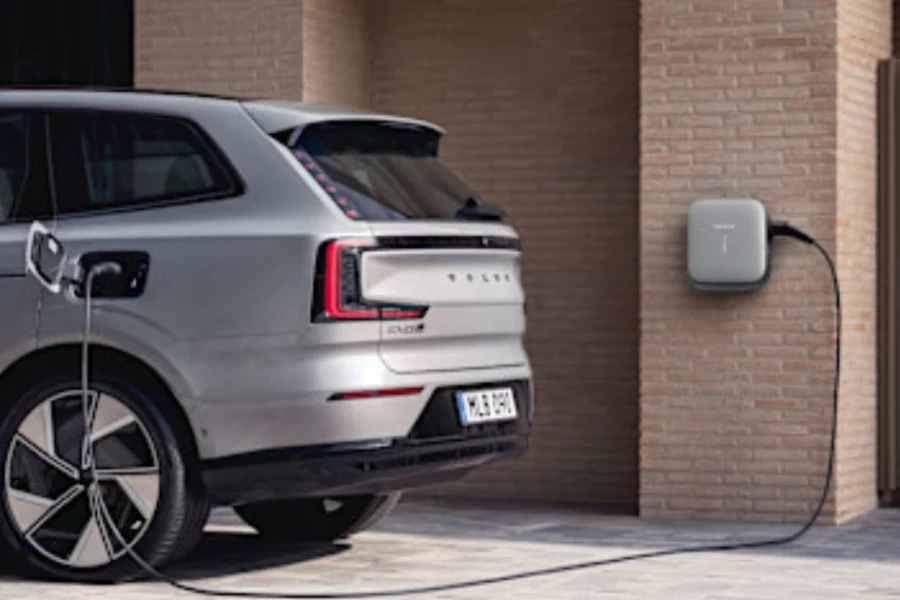
For EV owners that charge their vehicles at home, there was welcomed news. The temporary VAT reduction on household electricity from 5% to 0% has been extended until July 2027. Also, the Government is putting aside £100 million over two years from spring 2028 to help reduce prices at lower-powered public EV chargers. This will produce an estimated average saving of £150 per year for drivers who use them regularly. These are they types of charger that are usually found in residential areas where vehicles are left for several hours to charge.
Road tax changes
The Vehicle Excise Duty (VED) rates for cars and vans are set to increase in line with the Retail Prices Index (RPI) from April 2027. The rate for petrol, diesel and hybrid vehicles registered from 1 April 2027 is expected to rise by £5 to £205.
The Government has also provided additional details on Electric Vehicle Excise Duty (eVED). Scheduled for April 2028, the new pay-per-mile charge will apply to current and new electric and plug-in hybrid vehicles as the Government aims to offset declining fuel duty revenue.
Support for business drivers
Motorists that use their own vehicle for work will see the tax-free business mileage rate has now been permanently set at 55p per mile for the first 10,000 miles. From April 2027, the rate over 10,000 miles will rise from 25p to 35p per mile.
What does the budget mean for car buyers?
As the automotive landscape continues to develop, car buyers have an increasingly diverse choice of efficient petrol, hybrid, plug-in hybrid and fully electric vehicles. New measures supporting fuel and EV charging costs add to the options available to motorists, helping customers make a choice based on their individual driving needs and overall running costs.